
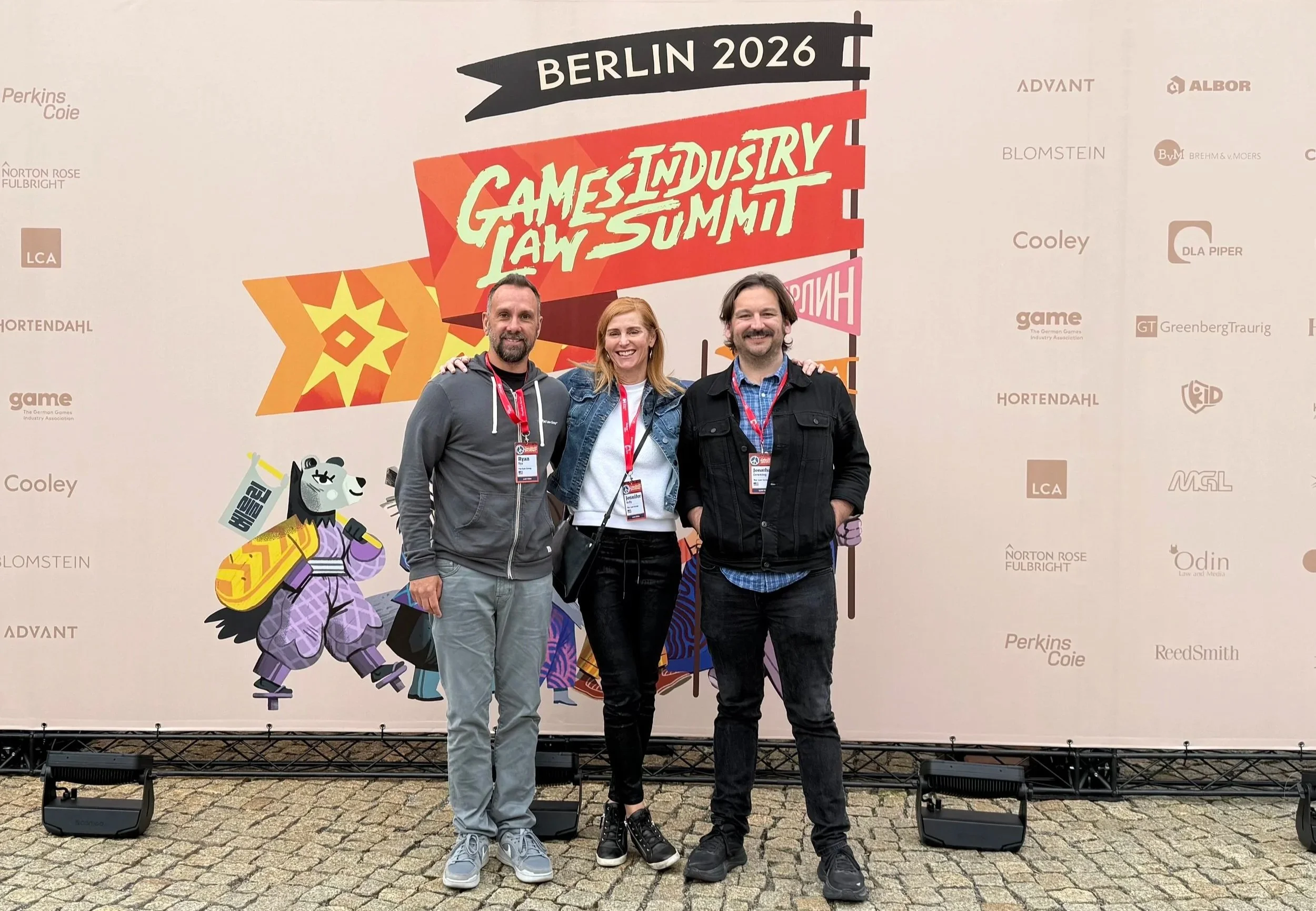
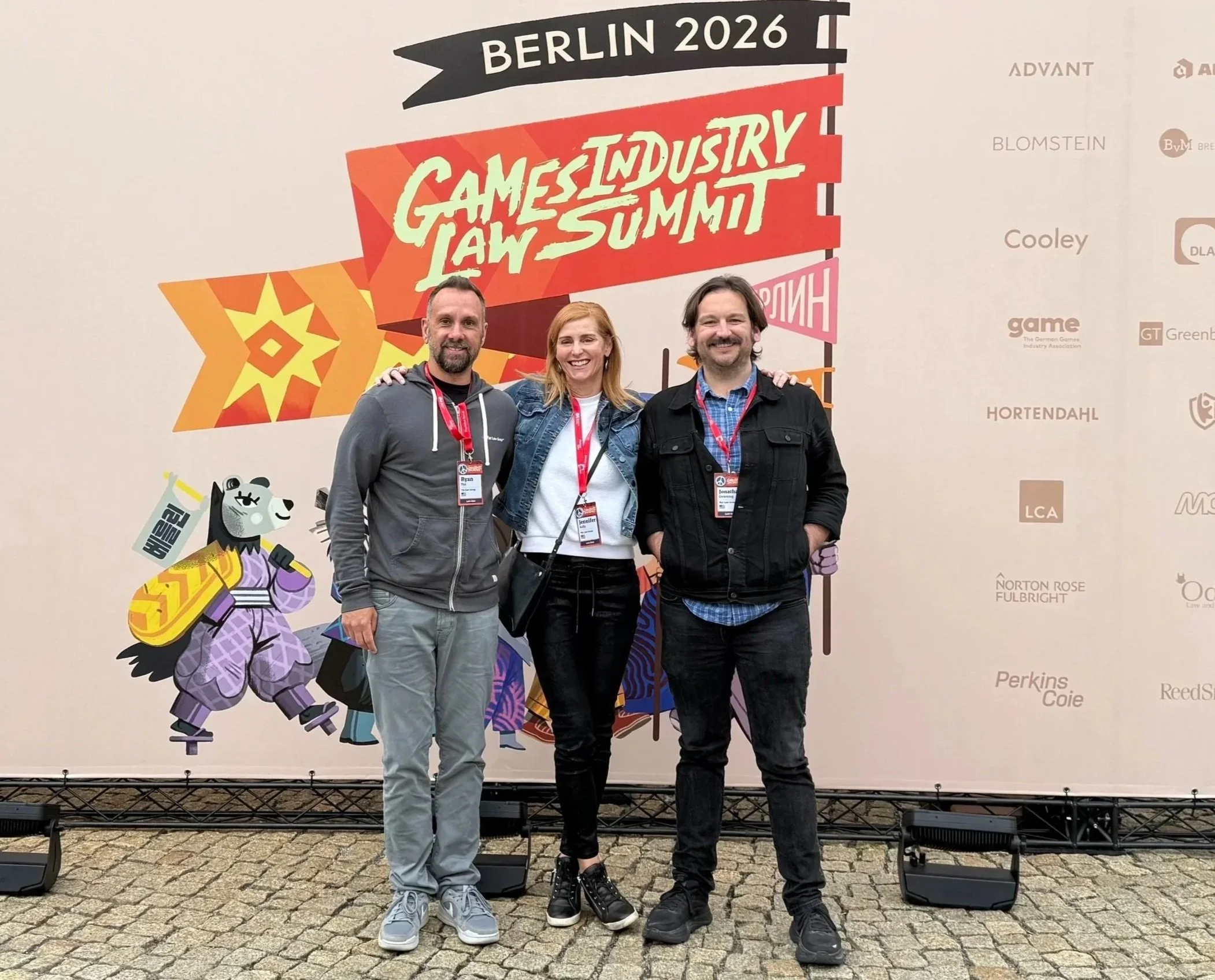
Three hundred and sixty games lawyers, a few days in Berlin, and a shared agenda: comparing notes on where the industry’s fights are headed. We sent three attorneys from our firm and came home with war stories, our favorite panel, and a new fond appreciation of currywurst. A few takeaways from the 2026 Games Industry Law Summit.
On stage: “End of Disclosure or Countdown to Extinction — Discovery in Conflicts”
This year Ryan joined one of the most international panels we’ve sat on — End of Disclosure or Countdown to Extinction: Discovery in Conflicts. Led by Tobias Schelinski (Taylor Wessing), it brought together counsel from across the US, EU, and Asia: Eric Ball (Fenwick), Christine Morgan (Kilpatrick), Meryl Koh (Drew & Napier), Robert Jønsson (HortenDahl), and Boğaç Erozan (Riot Games).
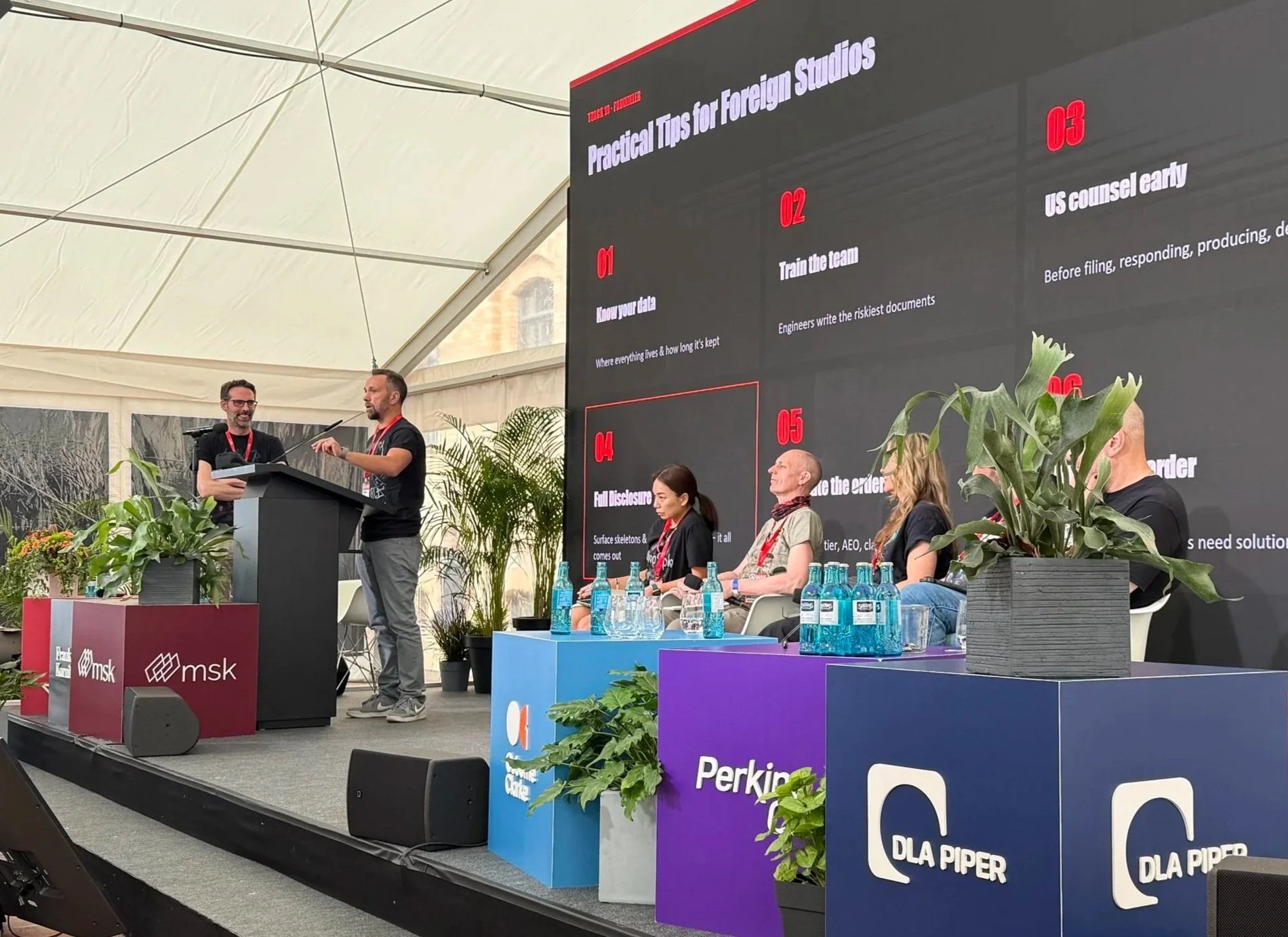
Ryan presenting an introduction to US discovery as part of the panel, End of Disclosure or Countdown to Extinction: Discovery in Conflicts.
Ryan’s job was to open the journey in the United States — a fast, plain-English tour of how US discovery works and why it unsettles anyone who didn’t grow up with it. The short version: trial is the part everyone pictures, but the leverage that ends most cases is built long before, in discovery. It’s invasive, it’s expensive, and in the US, the “e” in email may as well stand for evidence. From there, the panel took it across borders — overturning cheating bans, players pressing studios to hand over their personal data, and confidential information surfacing in player disputes. We treated our fifteen minutes as equal parts briefing and performance, and the room was generous about it, including some kind words afterward from in-house counsel at major studios.
Now — the cliffhanger. Ryan ended his segment with a story and no ending. A few people tracked him down afterward to get it; for everyone who didn’t, here’s how it finished.
It wasn’t a games case, but the lesson travels. A fight over who created a character first. The other side manufactured its proof — edited the original animation files to change how the character looked, then claimed that was the original and that they’d gotten there first. We caught it, and they eventually had to admit to the court that the “original” never existed. The cost: the court sanctioned the defendant and used this “bad faith” conduct as a factor in awarding our client its entire attorneys’ fees, roughly $6 million. The fabricated evidence didn’t just fail; it became the reason the other side paid for the whole case.
That’s the through-line of everything we said on stage: in US litigation, the documents you create, delete, or doctor will surface — and they almost always cost more than the truth would have.
The standout panel from the conference
The program leaned heavily into compliance this year, which tracks with where the industry’s anxieties are. But our favorite — and, as it turned out, the attendees’ favorite too, since it took home best overall panel — was Licensed, Unlicensed, Inspired: Managing IP Across Deals, Mods, and Drift.
Co-led by Ryan Black (DLA Piper) and Maya Yamazaki (Davis Wright Tremaine), with Efraín Olmedo (ALBOR), Nick Mitchell (Hasbro), Rik Sudra (LEGO Digital Play), and Eric Grouse (The Pokémon Company International), it was a GC-level conversation about the full spectrum of licensing risk — from complex cross-media deals to the growing grey zone where players, ecosystems, competitors, and unrelated businesses extract value from your IP, often without asking. The most useful thread, from a litigator’s chair, was hearing in-house counsel talk candidly about how they decide when use of their IP is fair game versus when it has gone too far — and when that judgment call becomes a cease-and-desist or a lawsuit. War stories, genuine disagreement, and hot takes included.
Beyond the panels
As always, some of the best material happened off-stage. Our favorite conversations were about how firms are evolving to serve the games space, and how lawyers — in-house and outside counsel alike — are actually putting AI to work in their practices. Both are moving fast enough that a candid hallway exchange beats any panel, and there were plenty to be had.
It was also just good to see people face to face. So much of our work now happens over Zoom that a few days in the same building — trading war stories over coffee, finishing the conversation a panel started — is a genuine luxury. That’s the part you can’t replicate remotely, and it’s why events like this remain worth the trip across the Atlantic.
Personal takeaways
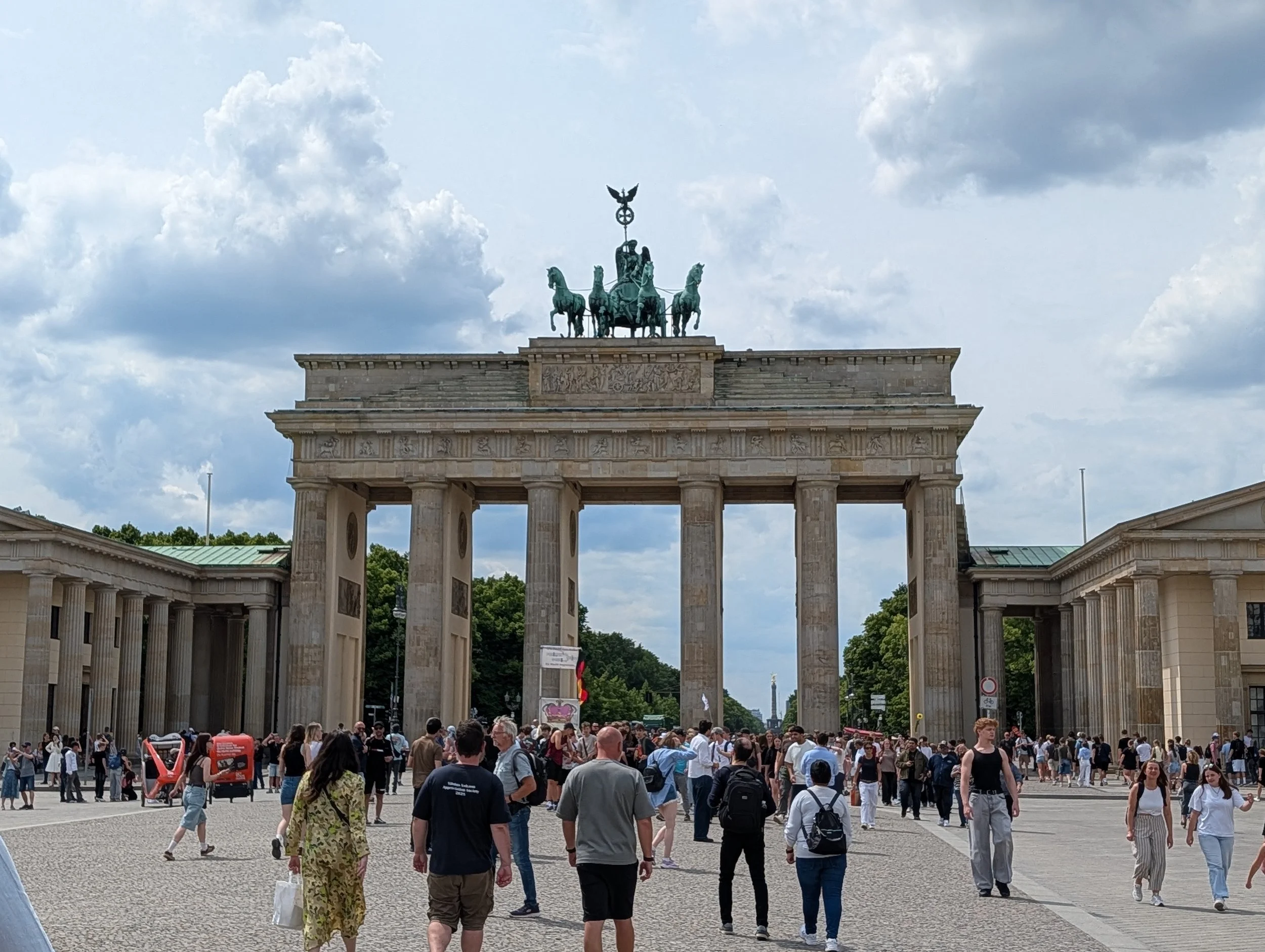
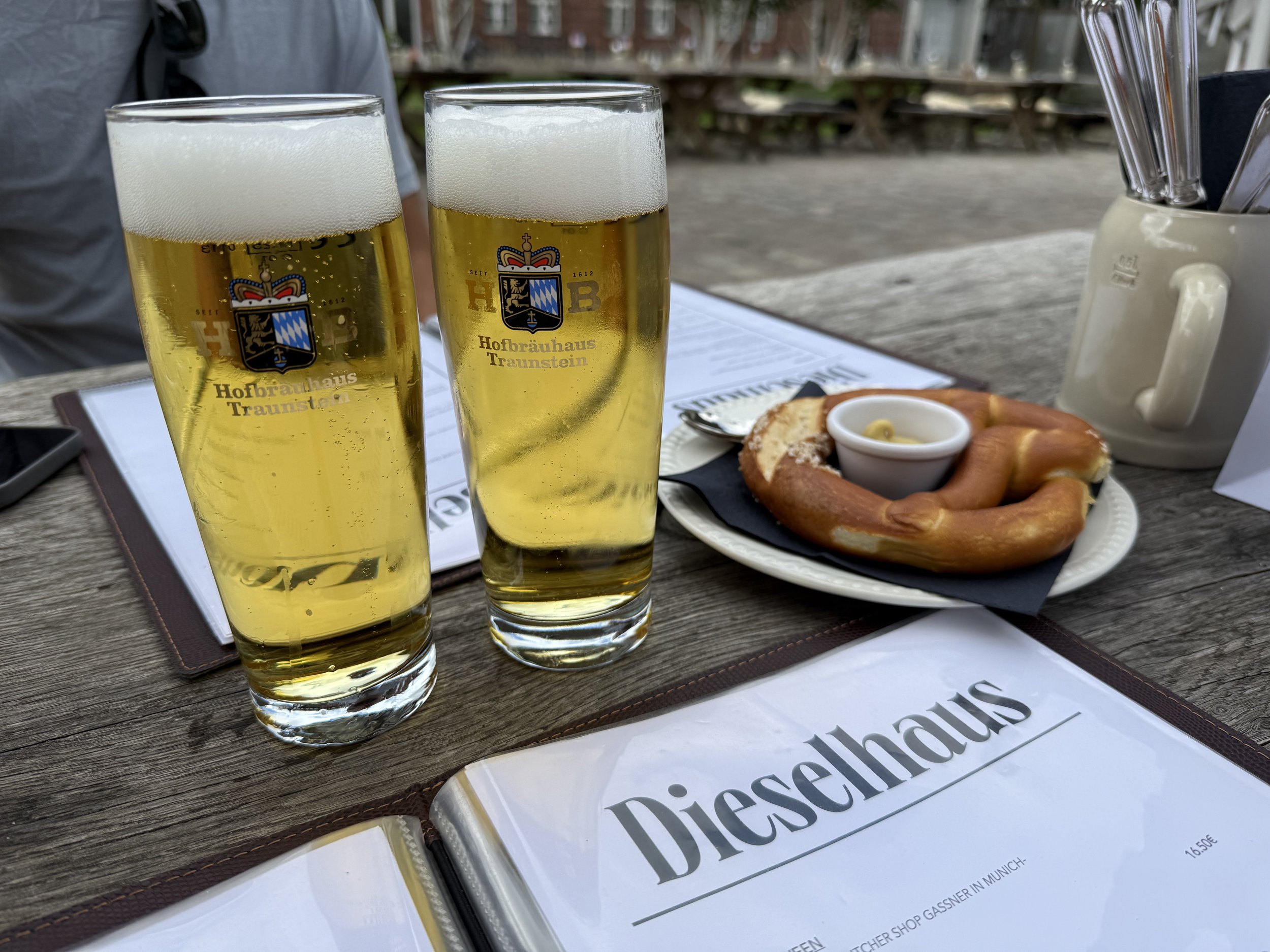
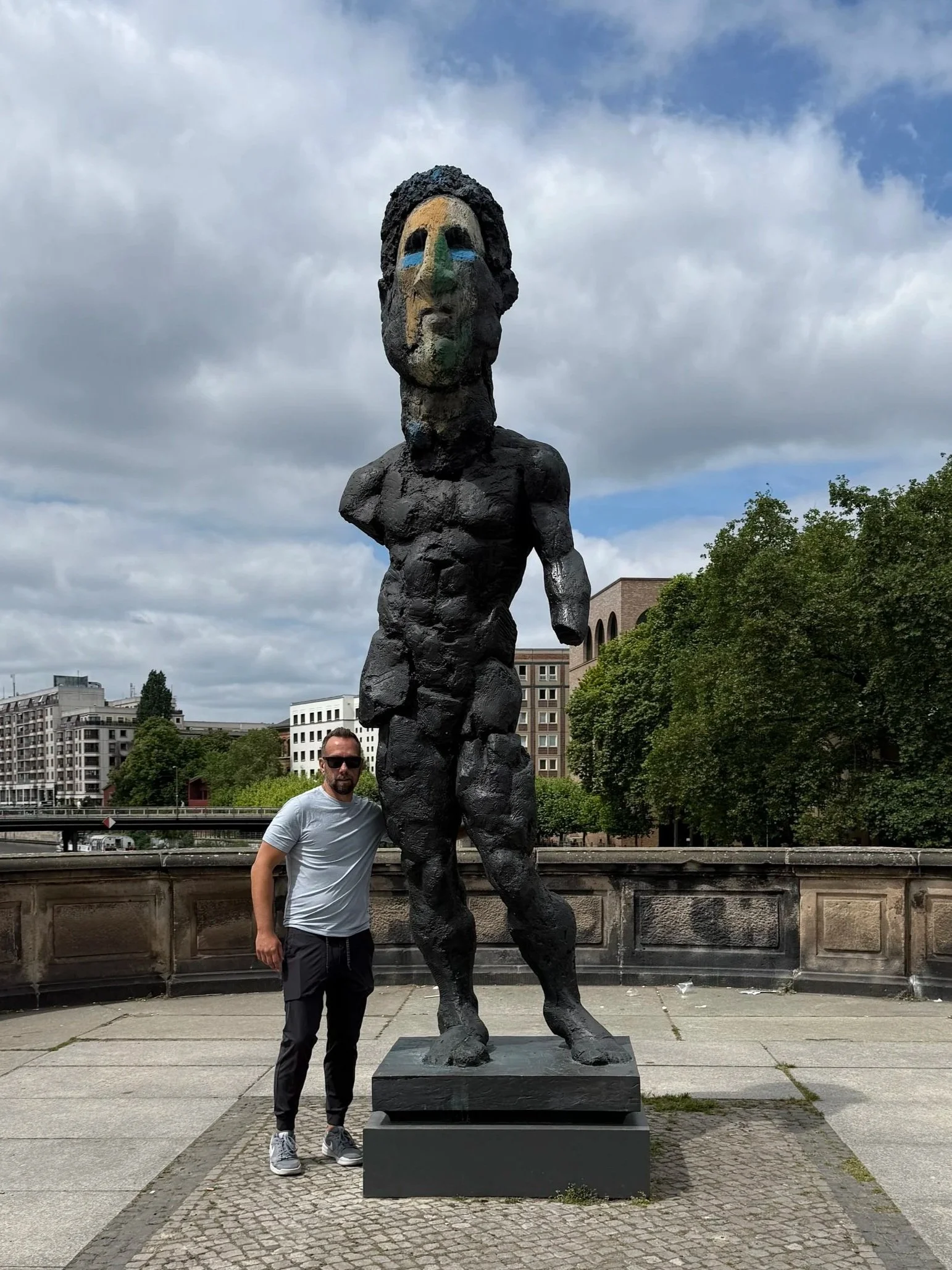
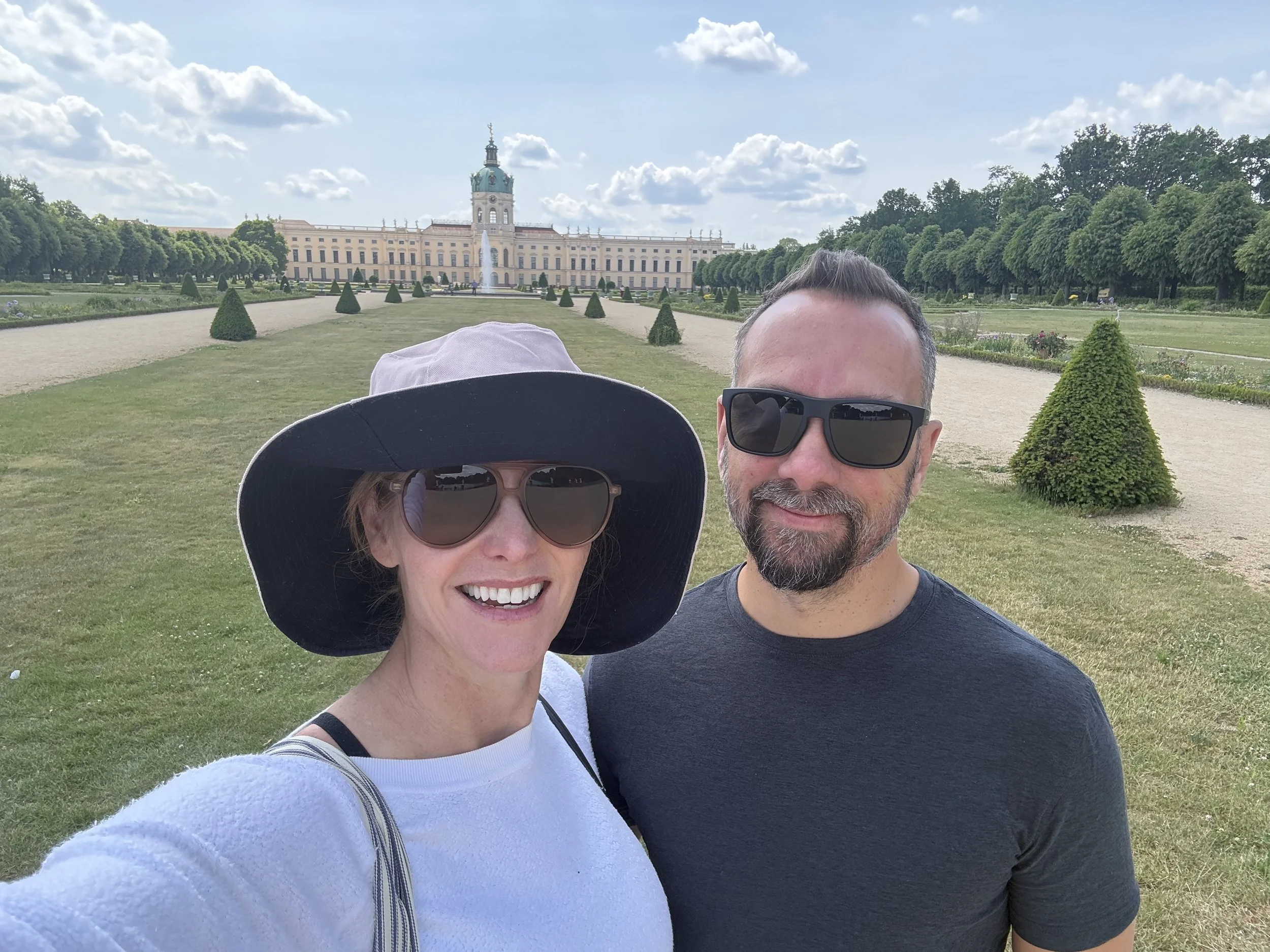
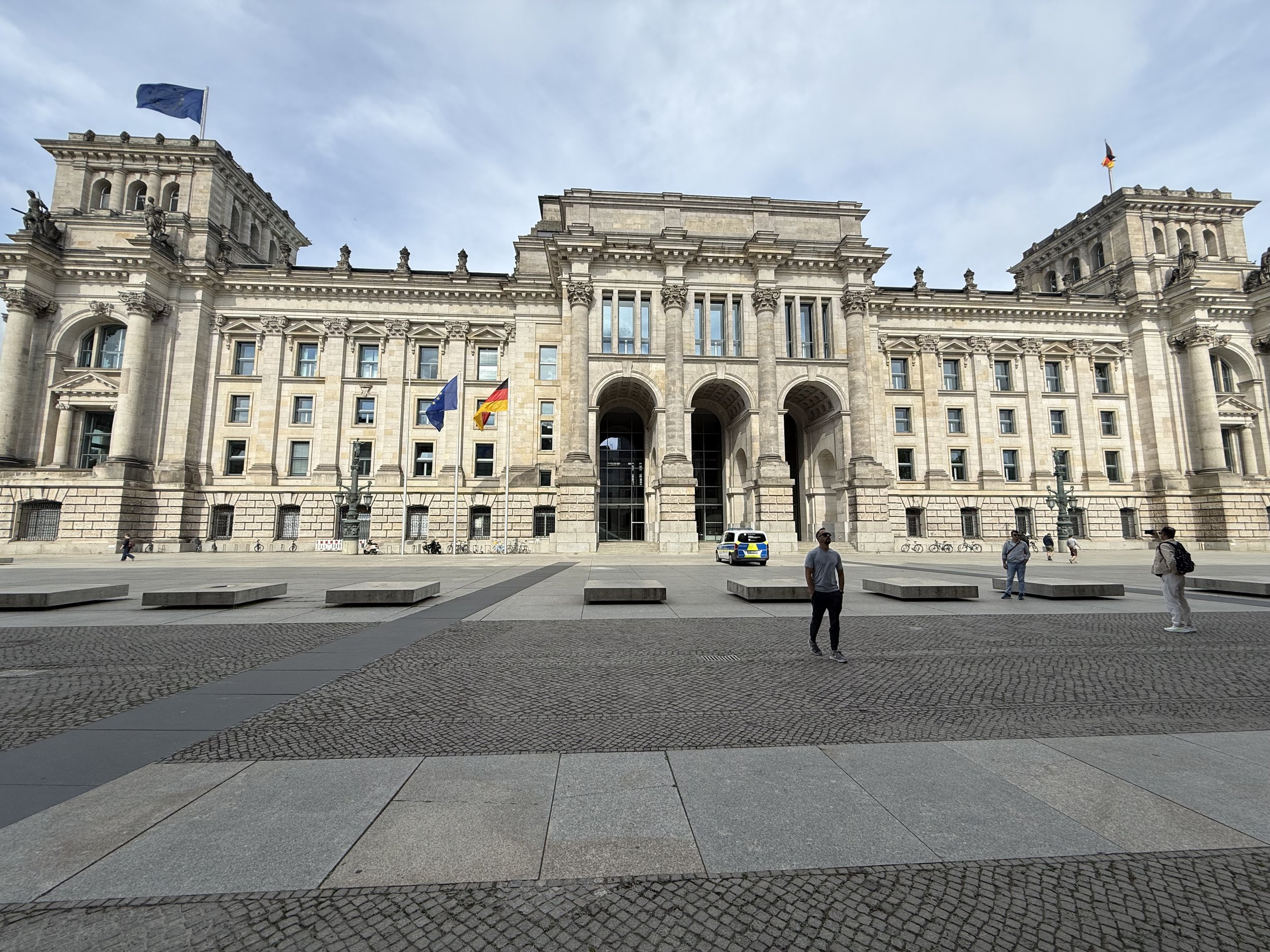
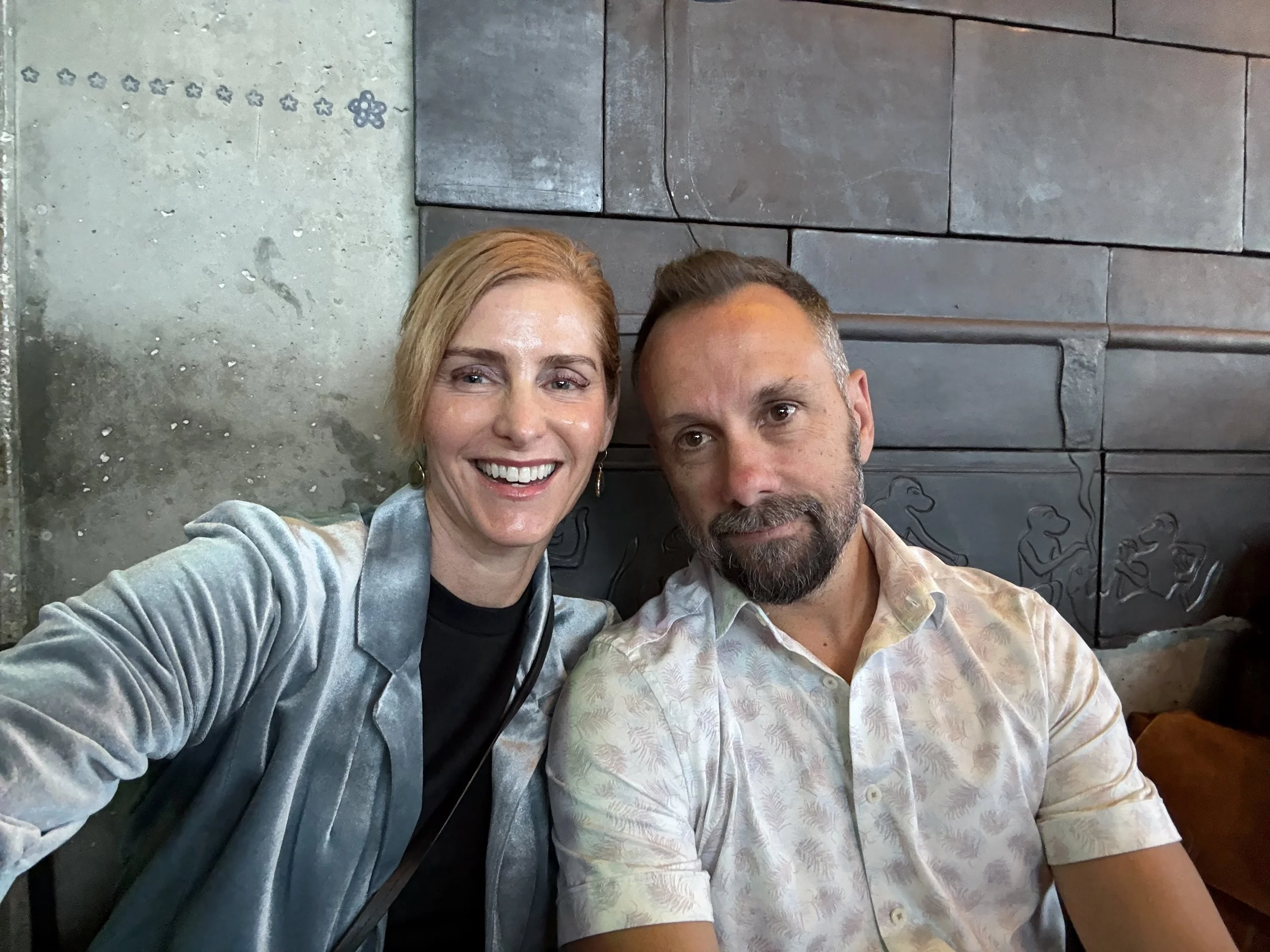
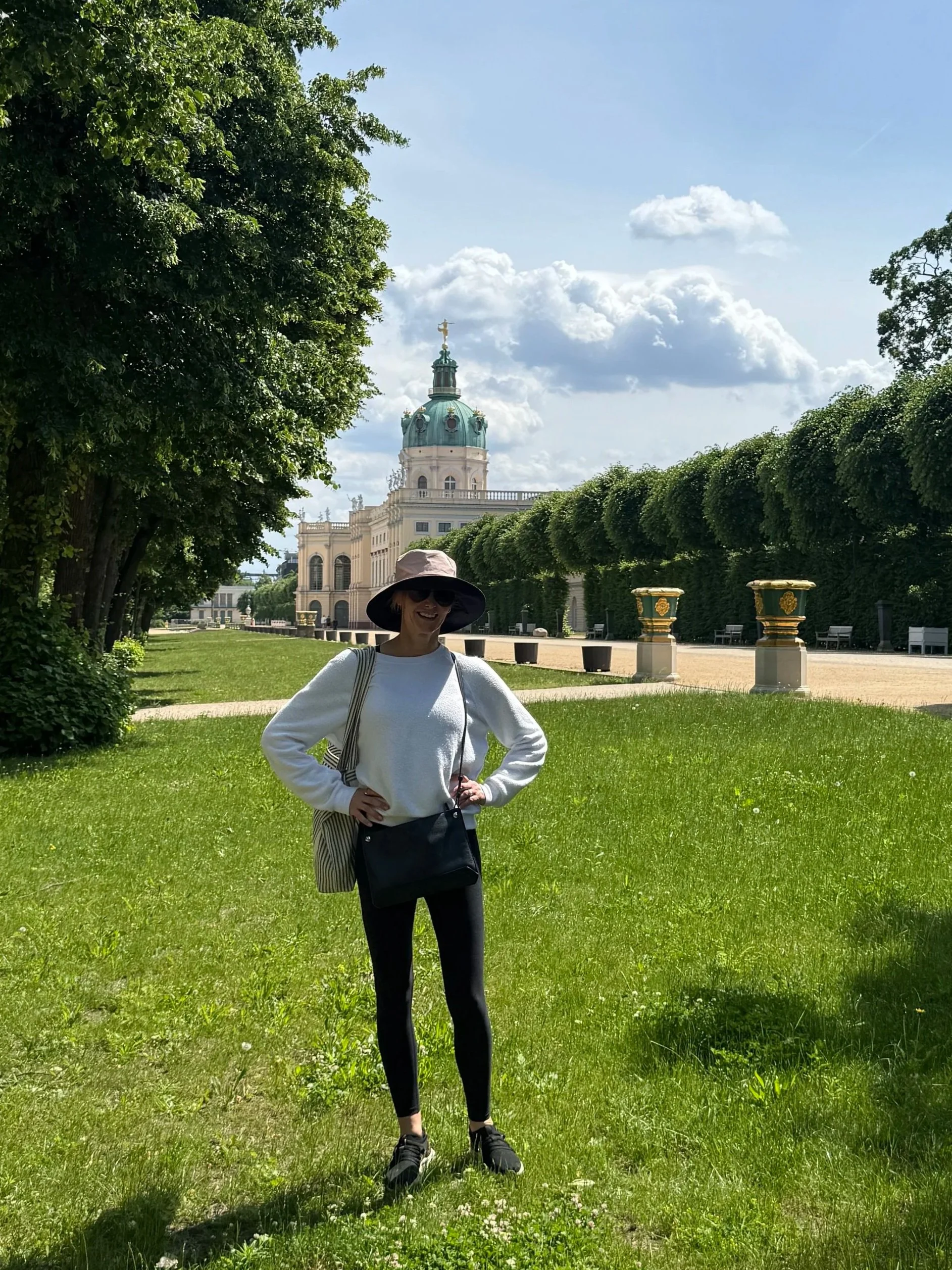
Ryan: Another great experience at the Games Industry Law Summit, this year in the beautiful city of Berlin. We went early and stayed late and did all of it — the tourist stops, the biergartens, and more currywurst than I’ve eaten in my entire life — and got to see clients and colleagues at a wonderful event and venue. And I got to share the stage with great lawyers from around the world. My only complaint is the one everyone shares: I wish I’d had more time to talk with more people. Next year in Porto.
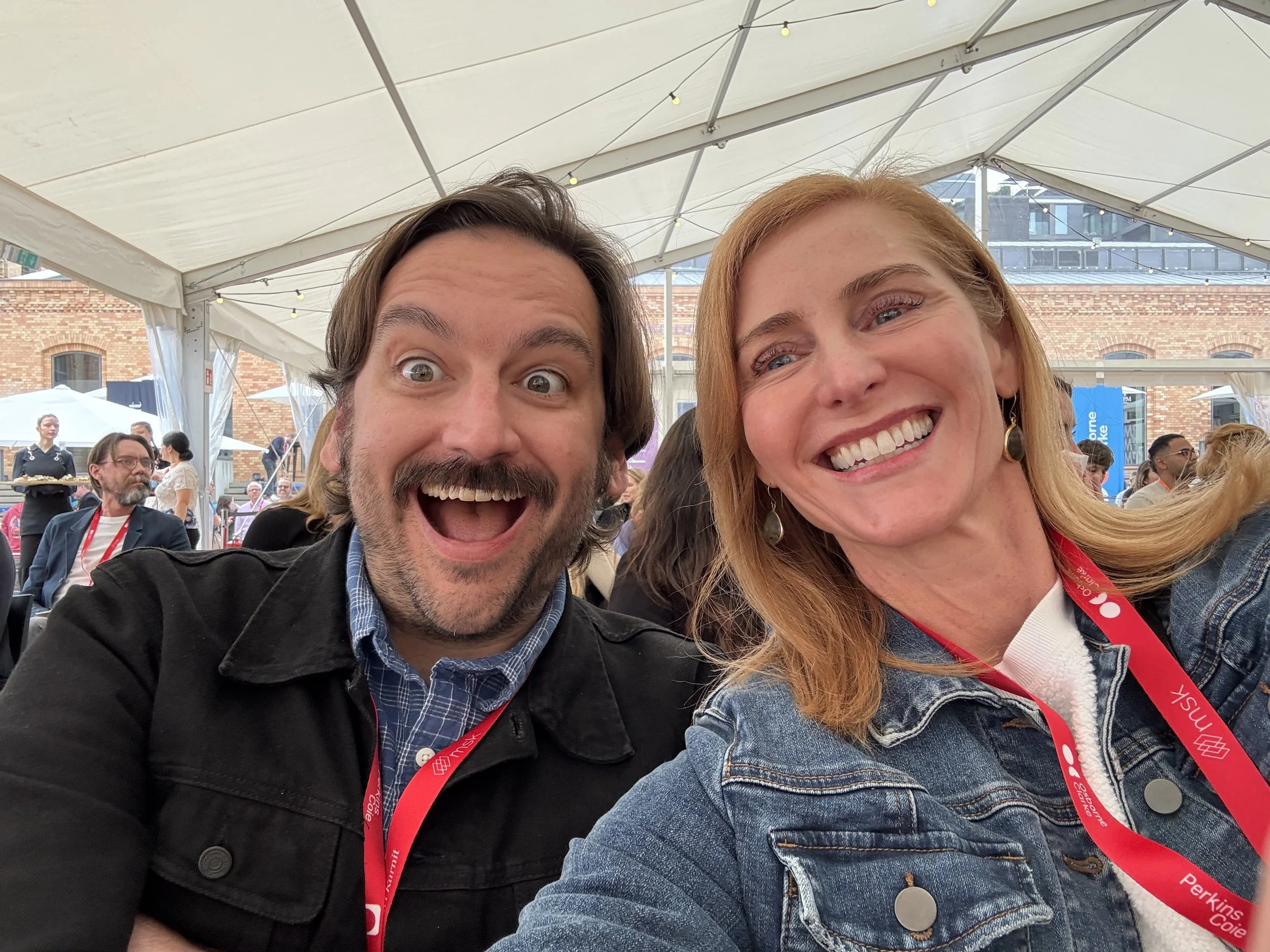
Jonathan: The Games Industry Law Summit once again proved a phenomenal experience, bringing hundreds of our friends and colleagues from around the world into one spot for a few short days of great conversation and company. The panels — whether on managing IP in an increasingly complex media environment, the difficulties and best practices when a game’s life must come to its inevitable end, or the practicalities and costs of discovery in American litigation — were each timely, relevant, and entertaining. But while everyone walked away having learned something, the best part of the conference remains the people: reconnecting with old friends and making a few new ones along the way. Sadly, we couldn’t fit in a karaoke session this time — but hey, there’s always next year.
Jennifer: As ever, the Games Industry Law Summit is a one-of-a-kind experience: a best-in-class conference where attendees are genuinely excited — and honored — to be part of it. That was as true in 2026, the Summit’s eleventh year, as it was when I first attended in 2017 at the Grand Kempinski in Vilnius, when the event was notably smaller. What is remarkable is that, even as the Summit has grown, it has preserved its magic: an intimate, collegial feel where people are just as eager to reconnect with old friends — including the original Summit attendees — as they are to meet new ones. For me, the relationships I have built and nurtured through the Summit remain, hands down, the best part. It has also been especially gratifying to watch so many colleagues’ professional journeys unfold over the years, with law-firm lawyers moving to new platforms or founding firms of their own, and in-house lawyers earning well-deserved promotions or taking on exciting new roles. And yet, in the best way, nothing really changes: we all arrive eager to learn, excited to see and learn from one another, and ready for the wild, singular adventure that is the Summit.
Our thanks to the Games Law Industry Summit team – Sergei Klimov and Alma Giedraitienė – for once again pulling hundreds of us into one space and making it look easy. If your studio is wondering what US discovery would mean for it — ideally before it becomes a fire drill — our door is open.